BPC-157 (Body Protection Compound-157) is a 15-amino acid peptide derived from a protective protein found in human gastric juice. In research, it consistently demonstrates upregulation of growth hormone receptor expression, angiogenesis promotion via VEGF pathways, and accelerated collagen deposition at injury sites.
TB-500 (Thymosin Beta-4 synthetic fragment) works through a completely different pathway — it promotes actin polymerization and cell migration, making it particularly relevant for soft tissue research. Studies in rodent models show enhanced satellite cell activation and fiber repair in skeletal muscle after injury.
When stacked together, researchers observe effects that neither compound achieves alone: BPC-157 creates the vascular scaffold (new blood vessel growth) while TB-500 populates that scaffold with migrating repair cells. This dual-mechanism approach is why the BPC + TB stack has become one of the most studied combinations in sports medicine research.
Key research applications: tendon and ligament injury models, rotator cuff repair studies, Achilles tendon research, and post-surgical healing protocols in rodent models.
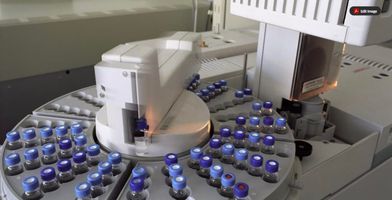
Kynetide's BPC-157 10mg and TB-500 10mg are 99%+ HPLC-verified. Also available as our pre-dosed BPC + TB Stack. All products carry published COAs and ship same day from kynetide.com.