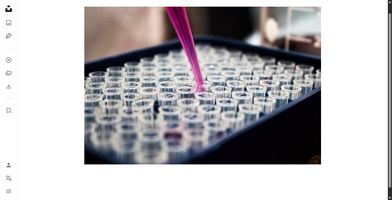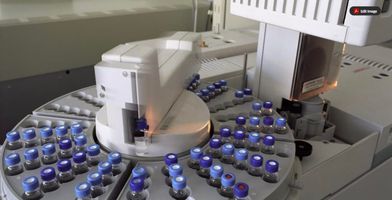

A Certificate of Analysis (COA) is the single most important document that comes with a research peptide order, yet it's also one of the most overlooked. Knowing how to read one — and what to look for — turns an unfamiliar lab report into a clear signal of quality and identity. Here's a practical breakdown of what every COA should tell you.
The Peptide Headlines Don't Match the Paperwork
For months, social media has insisted that Robert F. Kennedy Jr. already "legalized" a wave of popular research peptides. This week's FDA advisory committee vote added fuel to that story, but the actual paper trail tells a more complicated tale. Here's what's really changed, what's still just talk, and what it means if you're buying peptides today.
Where the "14 Peptides" Story Started
Back in April, HHS Secretary Robert F. Kennedy Jr. told podcast host Joe Rogan he was hoping to make "about 14" peptides more accessible, and that the FDA would soon take some kind of new action. That comment set off a wave of headlines and social posts declaring peptides like BPC-157, TB-500, Epitalon, GHK-Cu, KPV, and Semax already legal. Pharmacists say patients have been bringing those headlines to the counter ever since.
Still Category 2, Even Today
Here's the part that gets lost in the noise: as of today, those 14 peptides remain FDA Category 2 substances. That designation means the FDA doesn't consider them eligible for routine 503A pharmacy compounding, regardless of what a headline from March or April said. Saying "these peptides are legal now" overstates where things actually stand. A promise on a podcast, and even a public announcement of intent, is not the same thing as a completed rule change.
This Week's Vote Is Real — But It's Not Final
The genuinely new development is this week's vote from the FDA's Pharmacy Compounding Advisory Committee, which recommended adding BPC-157, KPV, TB-500, MOTS-c, epitalon, and semax to the approved 503A bulks list, while rejecting a seventh candidate, emideltide. That is a formal, on-the-record step, tied to specific safety and evidence reviews for each substance. But a committee recommendation still isn't a final rule. The FDA has not adopted it, isn't bound by it, and hasn't said when a decision is coming.
What This Means If You're Buying Peptides Today
The regulatory picture will keep shifting for months, no matter which way the FDA ultimately rules on these six substances. What won't change is the value of knowing exactly what you're getting. Every Kynetide peptide is tested by an independent third-party lab to 99%+ purity, with a batch-specific Certificate of Analysis available for every order, so you're never guessing based on a headline. We'll keep tracking what the FDA actually decides, and update you here as soon as there's real news to report.