
99%+ HPLC Pure | Batch-Specific Third-Party COAs | Free Shipping Over $250

RESEARCH GRADE PEPTIDES

Stop Guessing About Purity.

The Kynetide Standard

99%+ HPLC-Verified Purity

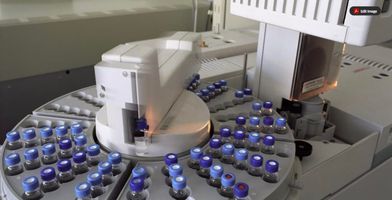
Every batch tested using High-Performance Liquid Chromatography. No exceptions.

Independent Lab Testing

Verified by third-party laboratories. We don't grade our own work.

Same Day Dispatch

Orders placed before 2PM CT ship the same business day

What Researchers Say About Kynetide

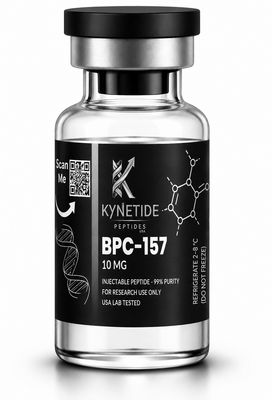
As a researcher in clinical biochemistry, I've relied on Kynetide for our lab's peptide sourcing. The quality and purity of their BPC-157 and Epithalon are exceptional — each batch comes with rigorous third-party COAs. Kynetide sets the gold standard for research-grade peptide ...

Dr. C. Morrison — Clinical Biochemistry Research

Dr. C. Morrison — Clinical Biochemistry Research

As a researcher in clinical biochemistry, I've relied on Kynetide for our lab's peptide sourcing. The quality and purity of their BPC-157 and Epithalon are exceptional — each batch comes with rigorous third-party COAs. Kynetide sets the gold standard for research-grade peptide ...

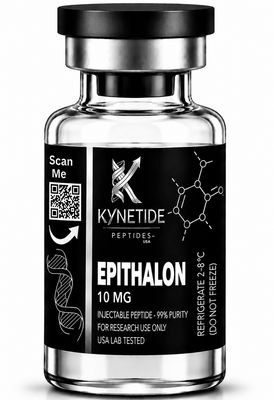
I've ordered research peptides from several suppliers over the years. Kynetide is by far the most professional — lab-verified BPC-157, Epithalon, and NAD+ all arrived with published third-party COAs. The Epithalon 10mg purity was confirmed at 99.2%. This is how research peptide...

Mitchell D.

Mitchell D.

I've ordered research peptides from several suppliers over the years. Kynetide is by far the most professional — lab-verified BPC-157, Epithalon, and NAD+ all arrived with published third-party COAs. The Epithalon 10mg purity was confirmed at 99.2%. This is how research peptide...

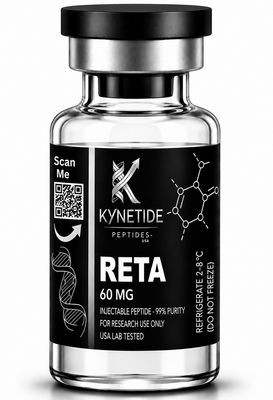
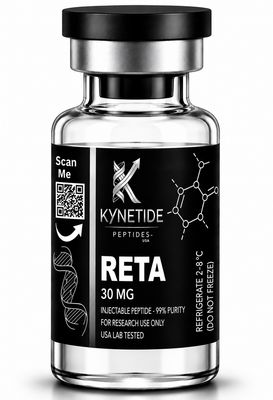
I don't write many reviews, but Kynetide earned this one. Ordered Retatrutide 30mg and NAD+ 1000mg for a metabolic research project. Both arrived lyophilized, vacuum-sealed, with matching HPLC certificates. The Reta purity tested at 99.4%. Reorder confirmed.

Sandra K. — Metabolic Biochemistry, University Research

Sandra K. — Metabolic Biochemistry, University Research

I don't write many reviews, but Kynetide earned this one. Ordered Retatrutide 30mg and NAD+ 1000mg for a metabolic research project. Both arrived lyophilized, vacuum-sealed, with matching HPLC certificates. The Reta purity tested at 99.4%. Reorder confirmed.

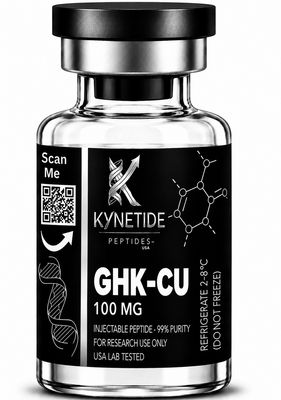
Used Kynetide's GHK-Cu 100mg for a skin regeneration study. The copper peptide arrived lyophilized at correct specification. COA showed 99.3% purity via HPLC. Reconstituted cleanly with BAC water. Results consistent with published literature on collagen stimulation pathways. Will...

Rachel T. — Dermatology Research, Private Lab

Rachel T. — Dermatology Research, Private Lab

Used Kynetide's GHK-Cu 100mg for a skin regeneration study. The copper peptide arrived lyophilized at correct specification. COA showed 99.3% purity via HPLC. Reconstituted cleanly with BAC water. Results consistent with published literature on collagen stimulation pathways. Will...

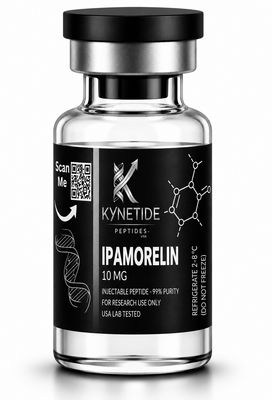
Researching GH secretagogues and ordered Ipamorelin 10mg and CJC-1295 + Ipamorelin stack. Both arrived with certificates showing 99%+ purity. Reconstitution was clean, no particulate matter. The COA from the third-party lab is exactly what I need to publish my findings.

Dr. Marcus L. — Endocrinology Research Institute

Dr. Marcus L. — Endocrinology Research Institute

Researching GH secretagogues and ordered Ipamorelin 10mg and CJC-1295 + Ipamorelin stack. Both arrived with certificates showing 99%+ purity. Reconstitution was clean, no particulate matter. The COA from the third-party lab is exactly what I need to publish my findings.

Latest Research Insights

New Real-World Study Links Tirzepatide to Fewer Heart Attacks in Type 2 DiabetesNew Real-World Study Links Tirzepatide to Fewer Heart Attacks in Type 2 Diabetes
New Real-World Study Links Tirzepatide to Fewer Heart Attacks in Type 2 Diabetes

Tirzepatide is best known for its glucose- and weight-lowering effects, but a newly published study adds evidence for another benefit: a real reduction in serious cardiovascular events. Published in The British Medical Journal, it's one of the largest real-world looks yet at how tirzepatide performs on cardiovascular outcomes outside a clinical trial setting.

Rice Engineers Find a Way to Make Peptides Stay Put Longer in Gelatin Delivery SystemsRice Engineers Find a Way to Make Peptides Stay Put Longer in Gelatin Delivery Systems
Rice Engineers Find a Way to Make Peptides Stay Put Longer in Gelatin Delivery Systems

Peptides are prized for their ability to drive specific biological processes like bone formation and tissue repair, but their small size has always worked against them in drug delivery: once placed in water-rich materials like hydrogels, they tend to diffuse away long before healing is complete. A new Rice University study, published in Cell Biomaterials, offers a surprisingly simple fix.

A Harvard Medical Perspective on the Peptide BoomA Harvard Medical Perspective on the Peptide Boom
A Harvard Medical Perspective on the Peptide Boom

Harvard Health Publishing recently examined the fast-growing world of injectable peptides, from FDA-approved medications like insulin and GLP-1 drugs to the unregulated compounds sold online for research and personal use. Their findings offer a useful checkpoint for anyone following the peptide space, including everyone in our own research community.

A New Accreditation Body Wants to Standardize Peptide Quality — Here's What It Means for ResearchersA New Accreditation Body Wants to Standardize Peptide Quality — Here's What It Means for Researchers
A New Accreditation Body Wants to Standardize Peptide Quality — Here's What It Means for Researchers

A new nonprofit is building the first peptide-specific accreditation standards for compounding and sourcing, just as regulators weigh whether to expand access to several popular research peptides.

Inside the Peptide Controversy: Why FDA Scientists and Critics Are Pushing BackInside the Peptide Controversy: Why FDA Scientists and Critics Are Pushing Back
Inside the Peptide Controversy: Why FDA Scientists and Critics Are Pushing Back

The FDA advisory panel's vote to ease restrictions on six peptides made headlines this week. But the vote wasn't as clear-cut as the headlines suggest. Behind the scenes, FDA's own scientific staff recommended against it, several panel members have documented industry ties, and the peptides in question are already circulating on the unregulated gray market. Here's what the coverage is missing.

Peptides Still Aren't Legal: What the FDA Advisory Panel Vote Actually MeansPeptides Still Aren't Legal: What the FDA Advisory Panel Vote Actually Means
Peptides Still Aren't Legal: What the FDA Advisory Panel Vote Actually Means

Last month's FDA advisory panel vote on peptide compounding made headlines everywhere — but it's created almost as much confusion as clarity. Here's what actually changed, what hasn't, and what to expect next.

5 Red Flags to Watch For When Choosing a Research Peptide Supplier5 Red Flags to Watch For When Choosing a Research Peptide Supplier
5 Red Flags to Watch For When Choosing a Research Peptide Supplier

With regulatory attention on peptide purity and sourcing higher than ever, knowing how to evaluate a supplier yourself is one of the most useful skills a researcher can have. Here are five warning signs that should make you think twice before ordering.

FDA Advisory Panel Backs Six Peptides for Compounding: What It Means for the Research MarketFDA Advisory Panel Backs Six Peptides for Compounding: What It Means for the Research Market
FDA Advisory Panel Backs Six Peptides for Compounding: What It Means for the Research Market

A look at the FDA's July 2026 compounding-committee vote on six popular peptides, the safety concerns it has raised among the agency's own scientists and patient-safety groups, and why verified, lab-tested sourcing still matters most.

Peptide Stacking 101: Combining Research Peptides SafelyPeptide Stacking 101: Combining Research Peptides Safely
Peptide Stacking 101: Combining Research Peptides Safely

Many research protocols call for combining more than one peptide at a time, but stacking introduces its own set of variables beyond what a single-compound study requires. This guide covers the basics of peptide stacking: why researchers combine compounds, how to think about complementary mechanisms, timing and injection site considerations when multiple peptides are in use, and the documentation habits that keep a multi-compound protocol interpretable.

Get 20% Off Your First Order

Sign up with your email to get your exclusive 20% off code for your first order, sent straight to your inbox.

Required field
Required field

By submitting this form, you agree to our Privacy Policy and Personal Data Processing Terms.