For any peptide to receive FDA approval, it has to go through large, controlled human clinical trials proving it's both safe and effective. Compounds like BPC-157 and TB-500 haven't completed that process, which means there's no large-scale human safety data behind them. That's an important distinction from approved peptide drugs, which are prescribed by physicians and manufactured under strict purity and dosing guarantees.
The Cancer Risk Question
This is the part of the conversation that rarely makes it into influencer content. Some researchers have flagged a theoretical concern: certain peptides work through mechanisms, like promoting new blood vessel growth or extending telomeres, that are also pathways cancer cells exploit to fuel their own growth. That doesn't mean these peptides cause cancer; it means the relationship simply hasn't been studied enough in humans to draw a conclusion either way. As one cancer prevention researcher put it, "adequate data must be collected and vetted by appropriate regulatory authorities" before safety claims can be trusted.
Why This Matters for the Research Community
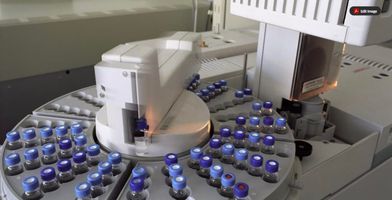
For researchers and labs working with these compounds, the takeaway isn't that peptides are inherently dangerous, it's that the evidence base is still developing, and sourcing quality is everything in the meantime. Since these compounds aren't manufactured under FDA-guaranteed purity standards, unverified sourcing adds a second layer of uncertainty on top of the open safety questions. That's why independent HPLC testing and batch-specific Certificates of Analysis matter: they at least confirm what's actually in the vial, even while the broader research on safety and efficacy continues.
Frequently Asked Questions
Are BPC-157, TB-500, and similar peptides FDA-approved? No. They haven't completed the large-scale human clinical trials the FDA requires for approval, so they remain unapproved and unregulated.
Does research show these peptides cause cancer? No direct evidence currently shows that. Some researchers have raised a theoretical concern based on biological mechanisms shared with cancer cell growth, but this hasn't been established in human studies.
Why does purity testing matter if the safety data is still incomplete? Because unregulated sourcing adds a separate, avoidable risk. Verified purity and dosage at least ensure you know exactly what you're working with, which is essential for producing reliable research data.
Did the FDA approve these peptides recently? An FDA advisory panel voted to recommend easier access to several of these peptides, but a recommendation isn't an approval. The compounds remain unapproved while the formal regulatory process continues.
What should researchers prioritize when sourcing these compounds? Third-party COAs, disclosed HPLC purity data, and transparency about testing methodology, all of which help account for the sourcing risks that add to the still-unresolved safety questions.
Source: Dana-Farber Cancer Institute, "Peptide Safety and Cancer Risk: What You Need to Know" (July 30, 2026)