A Certificate of Analysis (COA) is the single most important document that comes with a research peptide order, yet it's also one of the most overlooked. Knowing how to read one — and what to look for — turns an unfamiliar lab report into a clear signal of quality and identity. Here's a practical breakdown of what every COA should tell you.
The Peptide Safety Gap Nobody's Watching Is at Your Local Med Spa
While everyone's been watching the FDA's advisory committee vote, a new Washington Post investigation points to a bigger, quieter risk: the medspas and wellness clinics actually injecting peptides into consumers face less regulatory oversight than your neighborhood restaurant. Here's what the investigation found, why the gap exists, and what it means for anyone buying peptides today.
A Regulatory Blind Spot, By the Numbers
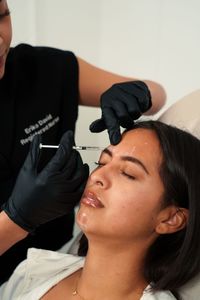
A Washington Post investigation published this week found gaping holes in how the U.S. oversees the peptide boom, concluding that the medspa down the street selling peptide injections faces less inspection and oversight than your favorite local restaurant or hair salon. Reporters surveyed state pharmacy, medical, and nursing boards and found the same story again and again: rules built for Botox and IV drips were never designed for injectable peptides with no FDA-approved safety data behind them.
Why the Oversight Gap Persists
Peptide compounding is a federal question the FDA is actively wrestling with. But most people getting peptide injections aren't seeing that process at all — they're walking into a medspa or wellness clinic where oversight is often split, unclear, or simply absent. State medical, nursing, and pharmacy boards each cover a slice of the picture, but peptides sit awkwardly between categories: not quite cosmetic like Botox, not quite a prescription drug like insulin, and frequently injected by staff whose training and supervision vary wildly from state to state and clinic to clinic.
Two Very Different Peptide Markets
It's worth separating two very different corners of the peptide world that keep getting lumped together. One is the injection-clinic model: a medspa or wellness clinic administers a peptide to you directly, often with little visibility into where the product came from, how it was handled, or who tested it. The other is the research-supplier model, where peptides are sold for laboratory and research purposes with documentation attached to the product itself — third-party lab results, purity percentages, batch numbers — so you can verify what's actually in the vial before it ever gets used. The FDA's compounding debate mostly concerns the first model. The second is where sourcing transparency actually lives.
What This Means If You're Sourcing Peptides Yourself
Whichever way the FDA's compounding committee vote eventually lands, the medspa oversight gap this investigation describes isn't going away soon — it's a state-by-state patchwork that will take years to close. That makes verification your responsibility right now, not something to assume a clinic or storefront has already handled. Every Kynetide peptide ships with independent third-party lab testing to 99%+ purity and a batch-specific Certificate of Analysis, so you're working from documentation, not just a name on a label. If you're sourcing peptides for research, ask for that same level of proof wherever you buy.