We write for customers, neighbors, and anyone interested in what we do and how we do it. This is a place to stay connected, learn something new, and get a closer look at what’s happening around our business.
Understanding Research Peptide Purity: How to Read a COA and Verify Quality
When you're purchasing research peptides, one number matters most: purity. But what does "99.1% pure" actually mean? And how do you know a certificate of analysis (COA) is legitimate? In this guide, we'll walk you through peptide quality standards, how purity is measured, and what red flags to watch for when sourcing research-grade compounds.
How Is Peptide Purity Measured?
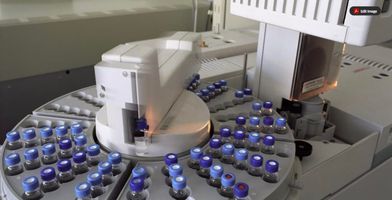
Purity is determined primarily through high-performance liquid chromatography (HPLC), which separates a sample into its individual components and measures each one as it passes a UV detector. The result is a chromatogram: the target peptide should produce one dominant, sharp peak, while impurities, truncated sequences, and leftover solvents show up as smaller peaks alongside it. Purity is calculated as the target peak's area relative to the total area of all peaks combined. Because a clean HPLC peak alone can't confirm identity, reputable suppliers pair it with mass spectrometry (MS) to verify the molecule's exact molecular weight and sequence. The most trustworthy results come from third-party laboratories rather than in-house testing, since an independent lab has no incentive to inflate the numbers. Every batch should ship with its own certificate of analysis (COA) tied to that specific lot number, not a generic report reused across production runs.
What Does Peptide Purity Mean?
Peptide purity refers to the percentage of the desired peptide product in a sample, measured as part of the batch-specific quality control analysis. When a peptide is listed as "99.1% pure," the remaining ~0.9% consists of water, residual solvents, synthesis byproducts, and inert fillers. The purity percentage is determined using high-performance liquid chromatography (HPLC), the gold standard in pharmaceutical and research-grade peptide analysis. Purity is not just a number—it directly impacts the reliability of your in-vitro models and the consistency of your research outcomes.