A Certificate of Analysis (COA) is the single most important document that comes with a research peptide order, yet it's also one of the most overlooked. Knowing how to read one — and what to look for — turns an unfamiliar lab report into a clear signal of quality and identity. Here's a practical breakdown of what every COA should tell you.
Samsung Biologics Buys PolyPeptide Group in $2 Billion Deal — What It Means for Peptide Research
A 2026 market-news look at Samsung Biologics' $2 billion acquisition of PolyPeptide Group, the largest M&A in Korean pharma and biotech history, and what the deal signals about surging industrial demand for peptide manufacturing and verified purity in research supply chains.
Korea's Largest Biotech Deal Targets the Peptide Manufacturing Bottleneck
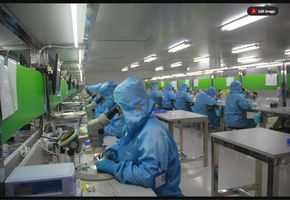
Samsung Biologics disclosed on July 20, 2026 that it signed a deal to acquire PolyPeptide Group, a Swiss-headquartered peptide contract development and manufacturing organization (CDMO), for roughly 2.7 trillion won (about 1.46 billion Swiss francs, or over $2 billion). The transaction is being described as the largest M&A deal in the history of Korea's pharmaceutical and biotech industry, and it marks Samsung Biologics' full-fledged entry into peptide manufacturing after years of building its business around antibody drug production. The company plans to acquire the major shareholder's equity plus a tender offer to reach 100% ownership of PolyPeptide, with the deal expected to close by the end of this year. PolyPeptide itself was spun off in 1996 from drugmaker Ferring's peptide division and has since developed and produced more than 1,000 peptide medicines from six production and R&D sites across Sweden, Belgium, the United States, France, and India.
Why Peptide Manufacturing Capacity Has Become a Strategic Asset
The acquisition is aimed squarely at a supply crunch reshaping the drug industry: peptide-based medicines, led by GLP-1 obesity and diabetes treatments, have exploded in global demand, and manufacturers are racing to secure capacity. More than 170 peptide medicines are currently in clinical development worldwide, and over 80 have already been commercialized. PolyPeptide brings a track record other manufacturers can't easily replicate, including production technology that significantly cuts the use of organic solvents in peptide synthesis, improving both efficiency and environmental impact, plus roughly 1,500 specialized employees across its facilities. Global investment banks project the obesity drug market alone could reach $150 billion by 2035, and the peptide CDMO market that supplies its raw materials is expected to keep expanding alongside it. For Samsung Biologics, folding peptide production in alongside its existing antibody, mRNA, and antibody-drug-conjugate businesses lets it offer drugmakers a single manufacturing partner across multiple next-generation drug classes.
What a Manufacturing Mega-Deal Does — and Doesn't — Change for Research Labs
It's worth being precise about what this acquisition actually is: a large-scale industrial consolidation between two commercial CDMOs that manufacture peptide APIs for pharmaceutical companies and drug sponsors, not a change to how research-grade peptides reach laboratory benches. Samsung Biologics and PolyPeptide serve pharmaceutical clients developing approved or investigational drugs, working under the regulatory and quality frameworks that govern medicine manufacturing. That's a different supply chain than the one supplying research peptides sold for laboratory use, which typically comes from specialized peptide synthesis labs rather than large pharmaceutical CDMOs. What the deal does signal is how seriously the industry now takes peptide production quality and scale, at exactly the moment consumer and research interest in peptides is accelerating. As demand grows across every tier of the peptide market, from blockbuster drugs to research compounds, the case for insisting on documented, third-party-verified purity only gets stronger, regardless of which company happens to be manufacturing at the industrial end of the chain.
Why Verified Purity Still Comes First at Kynetide
Kynetide isn't a pharmaceutical CDMO and doesn't compete in the multi-billion-dollar drug manufacturing space this acquisition targets. Our role is narrower and, we'd argue, just as important: supplying laboratories and qualified researchers with research-grade peptides backed by a batch-specific, third-party Certificate of Analysis confirming 99%+ HPLC purity. As the broader peptide industry consolidates and scales to meet pharmaceutical demand, the same principle applies at every level of the supply chain: know exactly what's in the vial before it reaches the bench. We don't sell finished pharmaceuticals or medical advice, and nothing we offer is intended for human or animal use. What we do provide is documented, verifiable purity data for every peptide we list, so researchers can spend their time on the science instead of wondering about sourcing.
FAQ: Does the Samsung Biologics Deal Affect Research Peptide Supply?
Not directly. This acquisition involves two companies that manufacture peptide active pharmaceutical ingredients for drugmakers producing approved or clinical-stage medicines, an entirely different supply chain than the one that supplies peptides sold for laboratory research use. Research suppliers like Kynetide source from specialized peptide synthesis manufacturers and verify every batch independently, a process that isn't affected by consolidation happening among pharmaceutical-scale CDMOs.
FAQ: Is PolyPeptide or Samsung Biologics a Source for Research Peptides?
No — PolyPeptide and Samsung Biologics are pharmaceutical CDMOs that manufacture peptide active pharmaceutical ingredients for drug companies developing approved or investigational medicines. Neither sells peptides for laboratory research use. Researchers should continue sourcing from dedicated research-peptide suppliers, like Kynetide, that provide batch-specific, third-party purity verification for research-use-only compounds.