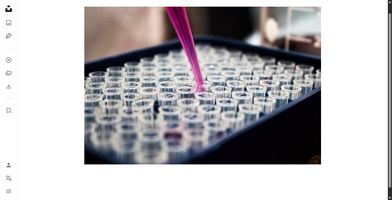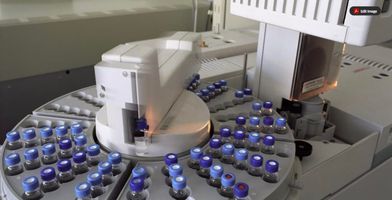

A Certificate of Analysis (COA) is the single most important document that comes with a research peptide order, yet it's also one of the most overlooked. Knowing how to read one — and what to look for — turns an unfamiliar lab report into a clear signal of quality and identity. Here's a practical breakdown of what every COA should tell you.
Eli Lilly's Retatrutide Delivers Its Strongest Weight-Loss Data Yet, Sets Course for Early 2027 FDA Filing
A 2026 market-news look at Eli Lilly's newest Phase 3 results for retatrutide, the triple GLP-1/GIP/glucagon peptide now headed toward an FDA biologics application, and what its cardiometabolic data could mean for the next wave of peptide-based obesity research.
New Phase 3 Data Shows Retatrutide's Strongest Results Yet
On July 23, 2026, Eli Lilly announced fresh Phase 3 results for retatrutide, its experimental triple-hormone obesity drug, calling the growing dataset its strongest yet. In an 80-week trial of adults with severe obesity and established heart disease, patients on the highest weekly dose lost an average of 22.6% of their body weight; among the three most serious cardiovascular events tracked, heart attack, stroke, and death, the treatment group saw a slightly higher rate than placebo. A separate 80-week trial in patients with obesity and type 2 diabetes showed 20.8% weight loss alongside a 1.6-point drop in A1C at the highest dose. Lilly says it plans to file a biologics license application with the FDA in the first quarter of 2027.
Inside Retatrutide: One Peptide, Three Metabolic Targets
Retatrutide is designed to activate three separate metabolic hormone receptors at once, GLP-1, GIP, and glucagon, a triple-agonist approach that sets it apart from Lilly's own Zepbound, which targets GLP-1 and GIP, and Novo Nordisk's Wegovy, which targets GLP-1 alone. Lilly Executive Vice President Kenneth Custer said the compound has now produced positive results across five separate Phase 3 studies, including previously reported data showing 28.3% average weight loss in adults with obesity but without diabetes, plus positive findings for knee osteoarthritis pain and obstructive sleep apnea. The most common side effects reported across the retatrutide program have been nausea and diarrhea, consistent with other incretin-based therapies.
A Crowded Race: What Retatrutide's Progress Means for the Obesity Peptide Pipeline
Retatrutide's advance comes as the obesity peptide field keeps accelerating on multiple fronts, from FDA advisory panels weighing gray-market compounding of older peptides to newer combination candidates from smaller biotechs chasing similar multi-receptor mechanisms. A first-quarter 2027 FDA filing would put retatrutide on a path to become the first approved triple GLP-1, GIP, and glucagon agonist, a milestone that could reshape how researchers and drugmakers think about combining metabolic hormone targets in a single molecule. Full trial results are expected to be published in peer-reviewed journals in the coming months, giving researchers a more detailed look at how the triple-agonist mechanism performs across different patient populations.
Why Purity and Verified Sourcing Still Matter as Retatrutide Advances
As retatrutide moves closer to a potential FDA filing, interest in triple-agonist and multi-receptor peptides is likely to keep climbing among researchers studying metabolic pathways. That growing interest also raises the stakes for sourcing: unlike an approved drug candidate moving through Lilly's controlled clinical pipeline, peptides available for laboratory research are only as reliable as the batch-specific testing behind them. Third-party HPLC verification and documented certificates of analysis remain the baseline for any lab working with GLP-1, GIP, or glucagon-targeting research compounds, regardless of how promising the clinical data becomes.
FAQ: Is Retatrutide Available for Purchase or Clinical Use?
No. Retatrutide remains an investigational compound that has not been approved by the FDA or any other regulatory body for human use. Eli Lilly plans to submit a biologics license application in the first quarter of 2027, and any approval would follow additional regulatory review after that filing. Research-grade retatrutide sold for laboratory use is intended strictly for in vitro or preclinical research and is not intended for human or animal consumption.
FAQ: Does This News Change How Researchers Should Source Retatrutide for Study?
Not fundamentally, but it does raise the profile of an already closely watched compound. As demand for retatrutide and related multi-agonist peptides grows among research labs, the gap between third-party-verified suppliers and unverified gray-market sources becomes more consequential. Researchers should continue to prioritize batch-specific certificates of analysis and HPLC purity verification before using any research peptide, especially as clinical interest, and market attention, intensifies.