Reconstituting and dosing a peptide correctly only gets a researcher halfway there — the injection itself matters just as much. This guide covers subcutaneous injection basics for research peptides: choosing an appropriate site, needle gauge and length considerations, site rotation to avoid tissue irritation, and the common technique mistakes that can affect a study's consistency.
Peptide Storage 101: Temperature, Light, and Shelf Life
Even a perfectly reconstituted peptide can lose potency if it isn't stored correctly afterward. Temperature swings, light exposure, and simple time all affect how long a peptide solution stays viable for research use. This guide breaks down what actually degrades peptides in storage, how to store both lyophilized and reconstituted vials correctly, and how to recognize the warning signs of a peptide that's gone bad.
Why Storage Matters
Peptides are fragile molecules, and improper storage is one of the most common ways potency is lost before a vial is ever used. Heat, light, and moisture can each degrade a peptide independently, and their effects compound when more than one is present at once. Building a consistent, well-documented storage routine is just as important to a research protocol as the reconstitution and dosing steps that come after it.
Temperature: The Biggest Threat to Peptide Stability
Most lyophilized (freeze-dried) peptides remain stable at refrigerator temperature (roughly 2-8°C) for extended periods, while some are stable at room temperature for shorter windows, depending on the specific sequence. Once reconstituted with bacteriostatic or sterile water, however, a peptide should almost always be kept refrigerated, since dissolved peptides are far more vulnerable to heat-driven degradation than their freeze-dried form. Repeated warming and cooling cycles, such as leaving a vial out on a counter between uses, accelerate this breakdown even if the total time out of the fridge seems short.
Light Exposure and Why Vials Are Amber for a Reason
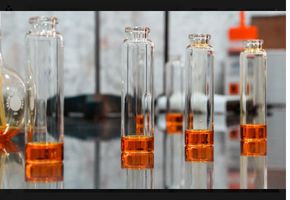
Many peptides are photosensitive, meaning ultraviolet and even bright visible light can break down their molecular structure over time. This is why most peptide vials ship in amber or opaque glass, and why manufacturers recommend keeping vials in their original packaging or a dark box rather than displaying them on an open shelf. If a vial has been left in direct sunlight or under strong lab lighting for an extended period, it's worth treating that batch with extra caution, even if the liquid still looks visually normal.
Reconstituted vs. Lyophilized: How Shelf Life Changes
An unopened, lyophilized peptide vial can often remain viable for a year or more when stored correctly, since the freeze-dried powder lacks the water needed to drive most degradation reactions. Once reconstituted, that timeline shrinks dramatically, typically to a matter of weeks even under refrigeration, because the peptide is now dissolved and chemically active. Labeling each reconstituted vial with the mixing date is a simple habit that prevents a researcher from unknowingly using a solution well past its reliable window.
Signs a Peptide Has Degraded
A cloudy, discolored, or visibly precipitated solution is one of the clearest indicators that a peptide has broken down and should not be used. A change in odor, unusual clumping, or a solution that no longer dissolves cleanly after gentle swirling are also red flags worth taking seriously. When in doubt, comparing a suspect vial's appearance and behavior to a known-fresh reference, or simply discarding and remixing from a fresh lyophilized vial, is far cheaper than risking a compromised research result.