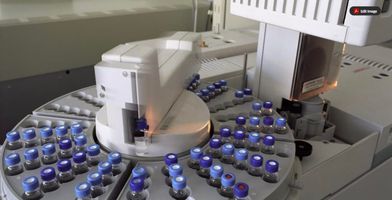

A Certificate of Analysis (COA) is the single most important document that comes with a research peptide order, yet it's also one of the most overlooked. Knowing how to read one — and what to look for — turns an unfamiliar lab report into a clear signal of quality and identity. Here's a practical breakdown of what every COA should tell you.
FDA Approves LIPFENDRA: First Oral Macrocyclic Peptide for Cholesterol
A 2026 market-news look at Merck's newly FDA-approved LIPFENDRA (enlicitide), the first once-daily oral PCSK9 inhibitor, and what its macrocyclic peptide design means for the future of peptide drug research and sourcing.
A Once-Daily Pill Joins the PCSK9 Inhibitor Class
On July 16, 2026, the FDA approved Merck's LIPFENDRA (enlicitide), the first oral medication in the PCSK9 inhibitor class used to lower LDL cholesterol. Until now, PCSK9 inhibitors have only been available as injectable biologics; LIPFENDRA reaches patients as a once-daily 20 mg tablet. The approval covers adults with hypercholesterolemia, including those with heterozygous familial hypercholesterolemia (HeFH), as an add-on to diet and exercise.
A Macrocyclic Peptide That Blocks PCSK9 From Binding LDL Receptors
What makes LIPFENDRA notable for peptide researchers is its chemistry: enlicitide is a macrocyclic peptide, a ring-shaped peptide structure engineered to combine the target specificity of a biologic drug with the oral bioavailability of a small molecule. Enlicitide binds PCSK9 and blocks its interaction with LDL receptors on liver cells, the same mechanism used by injectable monoclonal-antibody PCSK9 inhibitors, but delivered as a swallowed tablet instead of an injection.
What the Phase 3 Data Showed
The approval rests on two Phase 3 trials in the CORALreef program. In CORALreef Lipids, enlicitide reduced LDL-C by a placebo-adjusted 56% at week 24; in CORALreef HeFH, the reduction was 59%. Both studies also reported meaningful drops in non-HDL cholesterol and apolipoprotein B. The most common side effects in the HeFH trial were diarrhea (7% versus 2% for placebo) and dizziness (9% versus 4% for placebo). A separate outcomes trial is still underway to determine whether enlicitide reduces cardiovascular events.
What an Oral Macrocyclic Peptide Approval Means for Peptide Research Sourcing
LIPFENDRA's approval is a milestone for macrocyclic peptide chemistry as a drug-development platform, showing that carefully engineered peptides can reach oral bioavailability against targets once thought to require injectable biologics. Enlicitide is not a compound in Kynetide's catalog; it is an FDA-approved prescription medicine, not a research peptide. But the underlying chemistry is a reminder of why identity and purity controls matter across peptide research generally: as more labs explore macrocyclic and constrained-peptide designs, third-party HPLC testing and a batch-specific Certificate of Analysis are what let researchers trust exactly what they are working with. Kynetide's products are supplied strictly for in-vitro and laboratory research use. They are not drugs, cosmetics, or supplements, and are not intended for human or veterinary use.
FAQ: What is LIPFENDRA (enlicitide)?
LIPFENDRA is Merck's brand name for enlicitide, a macrocyclic peptide approved by the FDA on July 16, 2026 as the first once-daily oral PCSK9 inhibitor for lowering LDL cholesterol in adults with hypercholesterolemia, including heterozygous familial hypercholesterolemia (HeFH).
FAQ: Does Kynetide Sell Enlicitide or PCSK9 Research Peptides?
No. LIPFENDRA (enlicitide) is an FDA-approved prescription drug, not a research compound, and it is not part of Kynetide's catalog. This article is provided as market news for researchers tracking developments in peptide-based drug design.