99%+ HPLC Pure | Batch-Specific Third-Party COAs | Free Shipping Over $250

Kynetide Research Team | 17 days ago

FDA to Review BPC-157, TB-500 and Five More Peptides for the 503A Bulks List: What Researchers Should Know

The FDA's Pharmacy Compounding Advisory Committee meets July 23–24, 2026 to weigh seven peptides for the 503A Bulks List. Here's what it means for research.

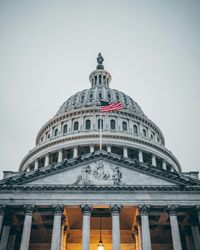
The research-peptide field is watching Washington this month. On July 23–24, 2026, the U.S. Food and Drug Administration's Pharmacy Compounding Advisory Committee (PCAC) convenes at the FDA White Oak Campus in Silver Spring, Maryland, to evaluate a slate of peptide substances nominated for the 503A Bulks List — the roster of bulk drug substances that licensed pharmacies are permitted to use in compounding. For laboratories that source and study these molecules, it is one of the most closely followed regulatory events of the year.

Which Peptides Are on the Agenda

Seven peptides are scheduled for review across the two-day session, each nominated in connection with specific conditions cited in the docket. According to the FDA's published agenda, July 23 covers BPC-157, KPV, TB-500, and MOTs-C, while July 24 turns to Emideltide/DSIP, Semax, and Epitalon. Several of these — BPC-157, TB-500, MOTs-C, Epitalon among them — are already familiar fixtures in the research-peptide catalog, which is precisely why the committee's evaluation matters to the community that studies them.


The mechanism at issue is Section 503A of the Federal Food, Drug, and Cosmetic Act. It allows compounding pharmacies to prepare medications using bulk substances that appear on an FDA-vetted list. A peptide's placement on — or exclusion from — that list is a formal, evidence-based determination, and this meeting is the deliberative step in that process. The public docket (FDA-2025-N-6895) closed to comment on July 22, 2026.

Evidence and the Road Ahead

Ahead of the meeting, FDA review scientists released briefing materials flagging what they described as a lack of consistent data and potential safety concerns for the peptides under consideration, concluding there was insufficient evidence to change the current designation for any of the seven. The advisory committee's recommendations are non-binding, but they carry significant weight in the agency's final decisions. The FDA has also signaled that a second session in February 2027 will take up additional peptides, meaning this is the opening chapter of a longer regulatory review rather than a single verdict.


For the research community, the practical takeaway is about documentation and traceability, not therapeutic outcomes. Regulatory scrutiny of a compound class tends to raise the bar for how materials are characterized — reinforcing why identity confirmation, third-party HPLC purity analysis, and batch-specific Certificates of Analysis are foundational to credible laboratory work. As the compounding conversation unfolds, the distinction between clinical compounding pathways and research-use-only supply remains a bright line that responsible suppliers and laboratories are careful to maintain.


We will continue to track PCAC outcomes and publish factual updates as the FDA releases meeting summaries and recommendations.

FAQ

What is the 503A Bulks List? It is the FDA-maintained list of bulk drug substances that licensed compounding pharmacies may use under Section 503A. Substances are added only after formal evaluation of nomination materials and available data.


When and where is the FDA peptide meeting? The Pharmacy Compounding Advisory Committee meets July 23–24, 2026, at the FDA White Oak Campus in Silver Spring, Maryland, with an online participation option.


Which peptides are being reviewed? BPC-157, KPV, TB-500, MOTs-C, Emideltide/DSIP, Semax, and Epitalon are on the two-day agenda. A follow-up session is expected in February 2027 for additional peptides.


Does this decision affect research-use-only peptides? The 503A process governs pharmacy compounding, a separate pathway from research-use-only materials. Regardless of the outcome, rigorous purity testing and complete Certificates of Analysis remain best practice for laboratory work.


For research use only. Not for human consumption.

Sources

FDA — July 23–24, 2026 Meeting of the Pharmacy Compounding Advisory Committee: https://www.fda.gov/advisory-committees/advisory-committee-calendar/july-23-24-2026-meeting-pharmacy-compounding-advisory-committee-07232026


NPR — "FDA scientists flag concerns with peptides, the trendy molecules RFK Jr. supports" (June 30, 2026): https://www.npr.org/2026/06/30/nx-s1-5876301/peptides-fda-panel-compounding-rfk


FDA Law Blog — "FDA's Pep(tide) Rally! What Compounders and Industry Need to Know": https://www.thefdalawblog.com/2026/04/fdas-peptide-rally-what-compounders-and-industry-need-to-know-post-1-of-2/

Let’s create what matters — together.

Kynetide Research Team

More Posts

How to Read a Peptide COA: A Researcher's Guide to Certificates of AnalysisHow to Read a Peptide COA: A Researcher's Guide to Certificates of Analysis
How to Read a Peptide COA: A Researcher's Guide to Certificates of Analysis

A Certificate of Analysis (COA) is the single most important document that comes with a research peptide order, yet it's also one of the most overlooked. Knowing how to read one — and what to look for — turns an unfamiliar lab report into a clear signal of quality and identity. Here's a practical breakdown of what every COA should tell you.

Peptide Reconstitution 101: Bacteriostatic Water, Dilution Math & StoragePeptide Reconstitution 101: Bacteriostatic Water, Dilution Math & Storage
Peptide Reconstitution 101: Bacteriostatic Water, Dilution Math & Storage

Reconstituting a lyophilized peptide correctly is one of the most important steps in any research protocol. Use too much or too little bacteriostatic water, and your concentration math (and your results) can be thrown off before you even start. Here's a clear walkthrough of the process our research team follows.

How to Travel With Research Peptides: Cold-Chain Storage & Transport Guide (2026)How to Travel With Research Peptides: Cold-Chain Storage & Transport Guide (2026)
How to Travel With Research Peptides: Cold-Chain Storage & Transport Guide (2026)

Relocating for a conference, shipping samples between labs, or just moving vials from the freezer to the bench: every step outside cold storage puts peptide integrity at risk. Here's what our research team looks at when planning safe transport for temperature-sensitive compounds.

What's Really in Your Compounded GLP-1?What's Really in Your Compounded GLP-1?
What's Really in Your Compounded GLP-1?

This week's reporting on compounded GLP-1 products raises a question that goes beyond weight-loss injections: how do you know a compounded peptide is chemically what it claims to be? Stanford Medicine clinicians and independent lab analyses are documenting real gaps — unapproved salt forms, undisclosed additives, and even newly formed molecules that don't exist in the approved drug. Here's what the research actually found, and why verified sourcing is the real answer.

Patient Safety Groups Are Sounding the Alarm on the FDA's Peptide VotePatient Safety Groups Are Sounding the Alarm on the FDA's Peptide Vote
Patient Safety Groups Are Sounding the Alarm on the FDA's Peptide Vote

While everyone's been focused on which peptides made this week's FDA advisory vote, a quieter story has been unfolding alongside it: the agency's own scientists recommended against every peptide under review, and now patient safety groups are formally warning that the panel's decision came without the evidence needed to justify it. Here's what ECRI, ISMP, and the Partnership for Safe Medicines actually said, and what it means for anyone buying peptides today.

The Peptide Safety Gap Nobody's Watching Is at Your Local Med SpaThe Peptide Safety Gap Nobody's Watching Is at Your Local Med Spa
The Peptide Safety Gap Nobody's Watching Is at Your Local Med Spa

While everyone's been watching the FDA's advisory committee vote, a new Washington Post investigation points to a bigger, quieter risk: the medspas and wellness clinics actually injecting peptides into consumers face less regulatory oversight than your neighborhood restaurant. Here's what the investigation found, why the gap exists, and what it means for anyone buying peptides today.

The Peptide Headlines Don't Match the PaperworkThe Peptide Headlines Don't Match the Paperwork
The Peptide Headlines Don't Match the Paperwork

For months, social media has insisted that Robert F. Kennedy Jr. already "legalized" a wave of popular research peptides. This week's FDA advisory committee vote added fuel to that story, but the actual paper trail tells a more complicated tale. Here's what's really changed, what's still just talk, and what it means if you're buying peptides today.

Six Peptides In, One Rejected: What the FDA Vote Really ChangesSix Peptides In, One Rejected: What the FDA Vote Really Changes
Six Peptides In, One Rejected: What the FDA Vote Really Changes

This week's FDA Pharmacy Compounding Advisory Committee meeting ended with six peptides recommended for the agency's 503A Bulk Drug Substances List and one turned away. The vote made headlines, but the fine print matters more than the tally. Here is what the committee actually decided, what it does not decide, and why sourcing still matters no matter how the FDA rules.

FDA Peptide Vote Sends Hims & Hers Shares Higher as Wall Street Eyes a Multi-Billion Dollar MarketFDA Peptide Vote Sends Hims & Hers Shares Higher as Wall Street Eyes a Multi-Billion Dollar Market
FDA Peptide Vote Sends Hims & Hers Shares Higher as Wall Street Eyes a Multi-Billion Dollar Market

An FDA advisory panel's split vote on peptide compounding sent Hims & Hers Health shares swinging Thursday, as Wall Street analysts weighed a potential multi-billion dollar telehealth opportunity against lingering safety concerns raised by the agency's own scientists.