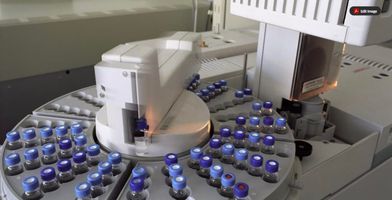
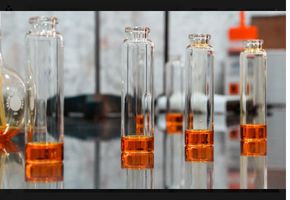
A Certificate of Analysis (COA) is the single most important document that comes with a research peptide order, yet it's also one of the most overlooked. Knowing how to read one — and what to look for — turns an unfamiliar lab report into a clear signal of quality and identity. Here's a practical breakdown of what every COA should tell you.
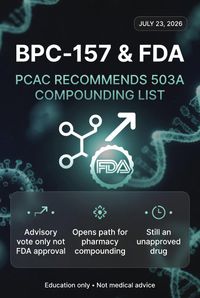
FDA Panel Backs BPC-157 and TB-500 for Compounding as Two-Day Peptide Vote Wraps Up
A 2026 market-news look at this week's FDA Pharmacy Compounding Advisory Committee vote on BPC-157, TB-500, KPV, and MOTS-c, the additional peptides up for a vote today, and what it could mean for the research peptide supply chain.
Frequently Asked Questions
Second Day of Voting Turns to Semax, Epitalon, and DSIP
The committee reconvenes today, July 24, for the second day of its meeting, turning to the final three peptides under review: Semax, Epitalon, and Emideltide (also known as DSIP). Together with BPC-157, KPV, TB-500, and MOTS-c, these seven substances make up the full slate the FDA asked its advisers to evaluate for the agency's compounding "positive list." The review follows Health Secretary Robert F. Kennedy Jr.'s move in April to reclassify 12 peptides as Category 1 substances, the first regulatory step toward opening them up to pharmacy compounding.
Behind the Vote: Gray-Market Growth and Industry Ties
BPC-157 and TB-500, often taken together in a combination researchers call the "Wolverine stack," are already sold widely online, marketed for research use only, and easing FDA restrictions would let pharmacies prepare them for prescription patients instead. The vote has drawn scrutiny because seven of the committee's 14 members operate or work for businesses that sell peptide treatments, and most of the panelists who voted yes have industry ties. A Department of Health and Human Services spokesperson said all committee members underwent the same ethics review required of FDA advisory panels. Paul Knoepfler, a UC Davis cell biology professor, questioned the setup: "How is that acceptable?" Panel member Elizabeth Rebello, a University of Texas professor who voted against, said she was concerned the committee was "responding to a market-induced demand rather than a decision based in solid science." Shares of telehealth company Hims & Hers, which spoke in favor of the peptides at the meeting, closed up 3.3% the day of the vote.
Why Purity and Verified Sourcing Still Matter
Whichever way the FDA ultimately rules on BPC-157, TB-500, and the rest of this seven-peptide slate, the compounding debate does not change what matters for laboratory research: a peptide is only as reliable as the batch-specific testing behind it. The gray market growth described throughout this week's hearings underscores why documented, third-party HPLC verification and a real Certificate of Analysis remain the baseline for any lab working with these compounds, regardless of their regulatory status.