
99%+ HPLC Pure | Batch-Specific Third-Party COAs | Free Shipping Over $250

Kynetide Research Team | 6 days ago

FDA Panel's Final Vote: Six Peptides Backed for Compounding, Emideltide Rejected

A two-day FDA advisory hearing wrapped up July 24, 2026 with a split decision: six peptides, including BPC-157 and TB-500, were recommended for a pharmacy compounding list, while a seventh, emideltide, was turned away over thin safety data.

Two Days, Seven Peptides, One Split Decision

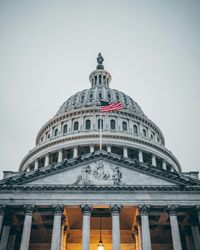
The FDA's Pharmacy Compounding Advisory Committee closed a two-day hearing on July 24, 2026 by recommending that six peptides move onto the agency's approved compounding list: BPC-157, TB-500, KPV, MOTS-c, Epitalon and Semax. A seventh candidate, emideltide, was rejected. The vote is advisory only and still requires FDA sign-off, a process that agency officials say could take up to a year.

Why Emideltide Was the One Peptide Turned Away

Emideltide was proposed as an injectable treatment for narcolepsy and opioid withdrawal, but the underlying research told a thin story. The narcolepsy evidence amounted to a single patient case report, and the opioid-withdrawal data came from two small, uncontrolled studies. Reviewers also flagged a mismatch: those studies used an intravenous route, while the compounded version would be injected under the skin. With well-established, FDA-approved treatments already available for both conditions, the committee agreed the compound wasn't ready for a compounding-pharmacy pathway.

A Sharp Divide Between FDA Scientists and Outside Advisers

The panel's newer members, appointed under Health and Human Services Secretary Robert F. Kennedy Jr., mostly voted in favor, and several run clinics that already offer peptides. FDA staff scientists, by contrast, unanimously opposed adding any of the seven compounds, pointing to thin clinical data, batch-to-batch inconsistency, and the risk of immune reactions. Panel member Dr. Haleem Mohammed framed his yes vote as harm reduction, saying he worried that rejecting the peptides would simply push people toward the unregulated market. Public health voices pushed back hard. Georgetown pharmacology professor Dr. Adriane Fugh-Berman argued that a product's popularity is a reason to study it, not to wave it through.

Frequently Asked Questions

What Actually Changes for Patients Right Now

Landing on this list does not make a peptide an approved drug, and it does not mean anyone can buy it over the counter. It opens one narrow, regulated path: a licensed compounding pharmacy can now legally source the raw ingredient and prepare it for a specific patient holding a prescription. Pharmacies still have to verify where the ingredient comes from and test it for contamination, but compounded products skip the ongoing side-effect tracking and standardized labeling that come with a fully FDA-approved drug. And none of this is final. The FDA still has to review the hearing record and public comments, then propose and finalize its own rule, a process that agency officials estimate could take up to a year.

What This Means for Kynetide Customers

Regulatory headlines like this one are exactly why we treat sourcing as seriously as we do. Whether or not a given peptide ever lands on an official compounding list, the questions worth asking stay the same: where did this batch come from, was it tested by an independent lab, and does the certificate of analysis match what's actually in the vial. That's the standard we hold every product to, and it's not going to change based on a single advisory vote.

Let’s create what matters — together.

Kynetide Research Team

More Posts

How to Read a Peptide COA: A Researcher's Guide to Certificates of AnalysisHow to Read a Peptide COA: A Researcher's Guide to Certificates of Analysis
How to Read a Peptide COA: A Researcher's Guide to Certificates of Analysis

A Certificate of Analysis (COA) is the single most important document that comes with a research peptide order, yet it's also one of the most overlooked. Knowing how to read one — and what to look for — turns an unfamiliar lab report into a clear signal of quality and identity. Here's a practical breakdown of what every COA should tell you.

Peptide Reconstitution 101: Bacteriostatic Water, Dilution Math & StoragePeptide Reconstitution 101: Bacteriostatic Water, Dilution Math & Storage
Peptide Reconstitution 101: Bacteriostatic Water, Dilution Math & Storage

Reconstituting a lyophilized peptide correctly is one of the most important steps in any research protocol. Use too much or too little bacteriostatic water, and your concentration math (and your results) can be thrown off before you even start. Here's a clear walkthrough of the process our research team follows.

How to Travel With Research Peptides: Cold-Chain Storage & Transport Guide (2026)How to Travel With Research Peptides: Cold-Chain Storage & Transport Guide (2026)
How to Travel With Research Peptides: Cold-Chain Storage & Transport Guide (2026)

Relocating for a conference, shipping samples between labs, or just moving vials from the freezer to the bench: every step outside cold storage puts peptide integrity at risk. Here's what our research team looks at when planning safe transport for temperature-sensitive compounds.

What's Really in Your Compounded GLP-1?What's Really in Your Compounded GLP-1?
What's Really in Your Compounded GLP-1?

This week's reporting on compounded GLP-1 products raises a question that goes beyond weight-loss injections: how do you know a compounded peptide is chemically what it claims to be? Stanford Medicine clinicians and independent lab analyses are documenting real gaps — unapproved salt forms, undisclosed additives, and even newly formed molecules that don't exist in the approved drug. Here's what the research actually found, and why verified sourcing is the real answer.

Patient Safety Groups Are Sounding the Alarm on the FDA's Peptide VotePatient Safety Groups Are Sounding the Alarm on the FDA's Peptide Vote
Patient Safety Groups Are Sounding the Alarm on the FDA's Peptide Vote

While everyone's been focused on which peptides made this week's FDA advisory vote, a quieter story has been unfolding alongside it: the agency's own scientists recommended against every peptide under review, and now patient safety groups are formally warning that the panel's decision came without the evidence needed to justify it. Here's what ECRI, ISMP, and the Partnership for Safe Medicines actually said, and what it means for anyone buying peptides today.

The Peptide Safety Gap Nobody's Watching Is at Your Local Med SpaThe Peptide Safety Gap Nobody's Watching Is at Your Local Med Spa
The Peptide Safety Gap Nobody's Watching Is at Your Local Med Spa

While everyone's been watching the FDA's advisory committee vote, a new Washington Post investigation points to a bigger, quieter risk: the medspas and wellness clinics actually injecting peptides into consumers face less regulatory oversight than your neighborhood restaurant. Here's what the investigation found, why the gap exists, and what it means for anyone buying peptides today.

The Peptide Headlines Don't Match the PaperworkThe Peptide Headlines Don't Match the Paperwork
The Peptide Headlines Don't Match the Paperwork

For months, social media has insisted that Robert F. Kennedy Jr. already "legalized" a wave of popular research peptides. This week's FDA advisory committee vote added fuel to that story, but the actual paper trail tells a more complicated tale. Here's what's really changed, what's still just talk, and what it means if you're buying peptides today.

Six Peptides In, One Rejected: What the FDA Vote Really ChangesSix Peptides In, One Rejected: What the FDA Vote Really Changes
Six Peptides In, One Rejected: What the FDA Vote Really Changes

This week's FDA Pharmacy Compounding Advisory Committee meeting ended with six peptides recommended for the agency's 503A Bulk Drug Substances List and one turned away. The vote made headlines, but the fine print matters more than the tally. Here is what the committee actually decided, what it does not decide, and why sourcing still matters no matter how the FDA rules.

FDA Peptide Vote Sends Hims & Hers Shares Higher as Wall Street Eyes a Multi-Billion Dollar MarketFDA Peptide Vote Sends Hims & Hers Shares Higher as Wall Street Eyes a Multi-Billion Dollar Market
FDA Peptide Vote Sends Hims & Hers Shares Higher as Wall Street Eyes a Multi-Billion Dollar Market

An FDA advisory panel's split vote on peptide compounding sent Hims & Hers Health shares swinging Thursday, as Wall Street analysts weighed a potential multi-billion dollar telehealth opportunity against lingering safety concerns raised by the agency's own scientists.