BPC-157 (Body Protection Compound-157) is a synthetic pentadecapeptide derived from a protein found in gastric juice, and it has become one of the most frequently referenced compounds in regenerative and tissue-repair research. Interest has continued to grow heading into 2026. This guide summarizes how BPC-157 is studied in the laboratory, the mechanisms researchers commonly investigate, and the handling and purity standards that support reproducible work. All information here is provided for laboratory research use only and is not intended for human or veterinary use.
Background and origin: BPC-157 is a partial sequence of body protection compound, a peptide identified in gastric tissue. Because it is studied for stability under laboratory conditions and for reported activity across a range of tissue models, it is frequently used as a reference compound in preclinical repair and recovery studies. Researchers typically examine it in isolated tissue, cell-culture, and animal-model contexts rather than clinical settings.
Proposed mechanisms under study: Much of the published research interest centers on two broad areas: angiogenesis, the formation of new blood vessels, and the modulation of inflammatory signaling. Investigators have explored how BPC-157 may influence growth-factor pathways, nitric-oxide signaling, and the migration of cells involved in tissue remodeling. These mechanisms are proposed and remain the subject of ongoing preclinical investigation; they should be treated as research hypotheses rather than established outcomes.
Common research models: BPC-157 is studied across several model systems, including gastrointestinal, tendon, ligament, and muscle tissue. Researchers select a model based on the repair pathway they intend to characterize, and reproducibility depends heavily on consistent peptide purity, accurate reconstitution, and controlled storage. This is why batch-level documentation matters so much in this field.
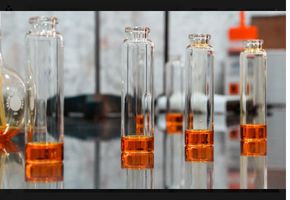
Reconstitution and storage best practices: BPC-157 is typically supplied as a lyophilized (freeze-dried) powder. It is generally reconstituted with bacteriostatic water, added slowly against the side of the vial rather than directly onto the powder, then gently swirled rather than shaken. Reconstituted solutions are usually kept refrigerated and protected from light, while unopened lyophilized vials are stored frozen for longer-term stability. Following a consistent reconstitution protocol is essential for comparable results across experiments.
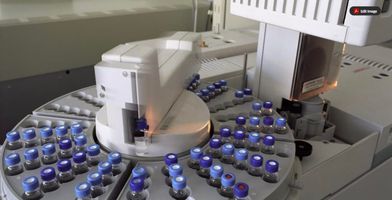
Why third-party COAs matter: In tissue-repair research, the validity of any result depends on knowing exactly what is in the vial. Independent, batch-specific Certificates of Analysis document identity and purity by HPLC and mass spectrometry, helping researchers rule out the compound itself as a source of variability. Every Kynetide compound ships with a batch-specific third-party COA, and these reports are published openly so labs can verify purity before beginning a study.
Conclusion: BPC-157 remains a cornerstone reference compound in tissue-repair and recovery research, and its proposed angiogenic and anti-inflammatory mechanisms continue to drive preclinical interest in 2026. Sound experimental design, careful reconstitution and storage, and verified purity are what make findings reproducible and meaningful. This article is provided strictly for laboratory research use only; these compounds are not for human or veterinary use.
Related Research Peptides: Researchers studying BPC-157 often work alongside related tissue-repair compounds. Explore BPC-157 5mg, BPC-157 10mg, TB-500 10mg, and the BPC-157 + TB-500 Stack.